
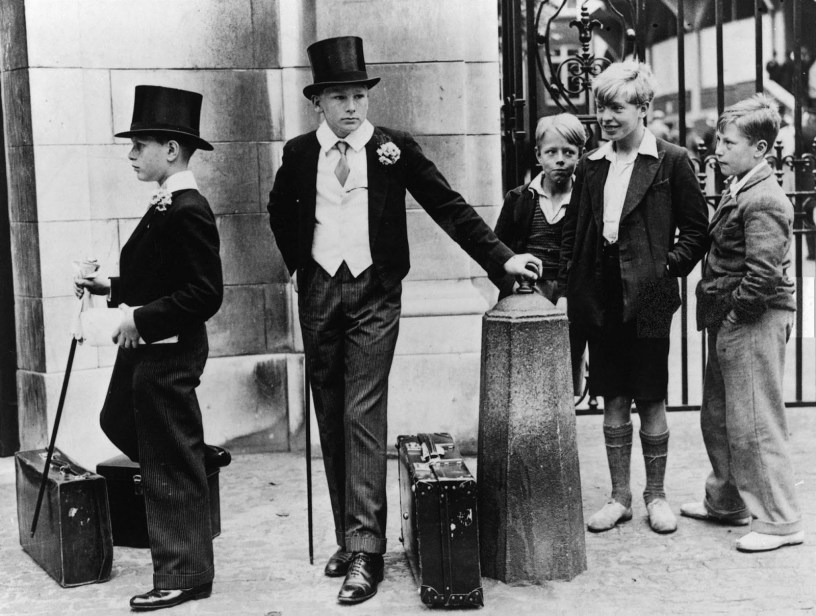
In Great Britain, the more pressing societal divide is not one of race, but of class and socio-economic background. This is a multicultural and multilingual society—and, for the most part, it works. Yet, some neighbourhoods in London and elsewhere can feel more “ghetto-cultural” than multicultural, with a degree of segregation that contradicts the ideal. Britain remains a hierarchical society, with a powerful elite at the top. It was members of this elite—the so-called “British establishment”—who orchestrated the Brexit referendum. Their motives had little to do with the wellbeing of the nation or its most vulnerable communities. Rather, they were driven by personal ambition and political self-interest.
This helps explain the patronising, fear-driven rhetoric directed at the British working class—claims that foreigners were taking jobs, abusing benefits, and collapsing the NHS. Meanwhile, many of the wealthier Brexit supporters, with their assets tucked away in offshore tax havens, likely watched the chaos unfold from a beach lounger in Saint Barts, Mojito in hand.
Who Is the British Establishment?
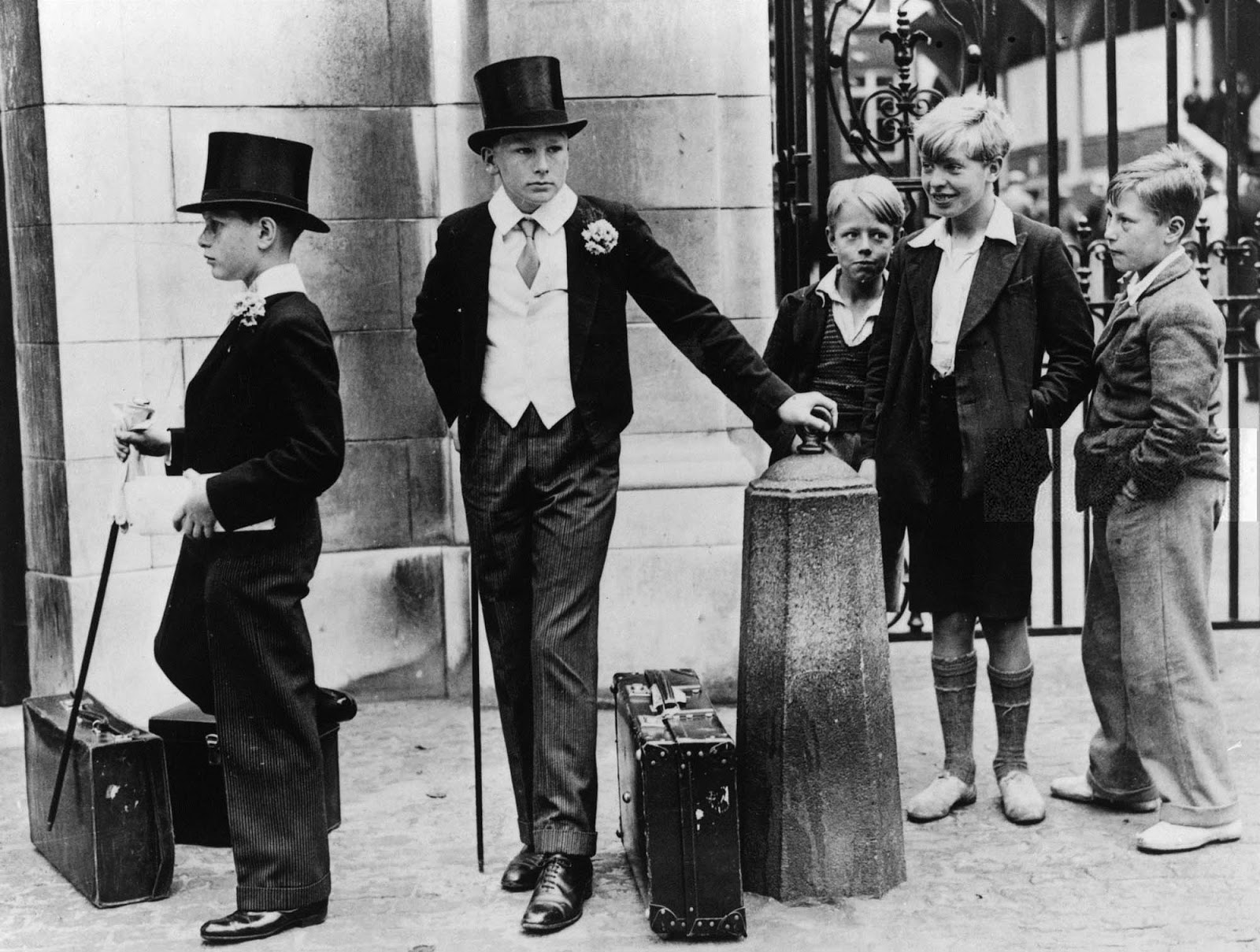
The British establishment is largely composed of privately educated men—quite literally, as many of the top schools like Eton and Harrow remain boys-only institutions. Many of them have degrees from Oxford or Cambridge. Yet, judging by those who led the Brexit campaign, these institutions are not, as Allen Ginsberg might say, producing “the best minds of their generation.” Instead, they seem to churn out a particular breed of politician: arrogant, entitled, narrow-minded, and inept—unable to secure even the most basic of agreements with their European counterparts, whose patience and respect have clearly worn thin.
It may take generations of state-educated girls and boys to finally turn the country around—and, in doing so, consign the outdated British establishment to the history books, alongside the Empire.
A Campaign Built on Lies
The Brexit campaign was divisive, xenophobic, and misleading. Falsehoods were peddled as facts, most famously the infamous bus slogan: “We send the EU £350 million a week—let’s fund our NHS instead. Vote Leave.” The figure was quickly debunked, as it ignored both the money the UK received from the EU and payments that were returned to the public sector.
Why, then, did an apparently forward-thinking nation like Britain believe it would be better off turning its back on its closest neighbours?
Arrogance and Anglo-Saxon Exceptionalism
Part of the answer lies in the arrogance that underpins the modern English-speaking world—what Europeans, particularly the French, often (if somewhat inaccurately) refer to as “the Anglo-Saxon world.” Despite Britain being respected across Europe for its democratic institutions, diplomacy, and diversity, there’s often an undercurrent of superiority—and, frankly, ignorance—in its view of non-English-speaking countries. People who speak with an accent, or are less than fluent in English, are frequently seen as inferior or less intelligent, regardless of their actual intellect or multilingual capabilities.
Some segments of British society genuinely believe Brexit will “Make Britain Great Again,” despite the exploitative legacy of the British Empire. Many in power still regard the Empire as a force for good. In truth, it was a force for change—though rarely for the better. Passionate Brexiteers imagine the Commonwealth as a viable alternative to the EU, particularly in terms of trade. However, the numbers don’t back this up. Trade with the Commonwealth is dwarfed by trade with the EU. And although Europe is just across the Channel, Britain seems more interested in rekindling outdated ties, even when younger generations in those former colonies aren’t particularly keen to revive them.
Consider also the recent Windrush scandal: the government’s apology was nowhere near sufficient to repair the damage done. What’s needed is not nostalgia for an imperial past, but a bold, future-facing reboot.
Time for a Reckoning
With an uninspiring cast of establishment politicians at the helm, perhaps it’s time to stop venerating the public school system and so-called elite universities. These institutions, at least in the political realm, appear to be producing some of the worst minds of their generation. More than two years after the Brexit vote, we are still waiting for its champions to demonstrate how it will actually benefit the country. So far, the reality has been a weak deal that’s likely to be rejected by Parliament, leaving the government back at square one.

 Lady World Press