

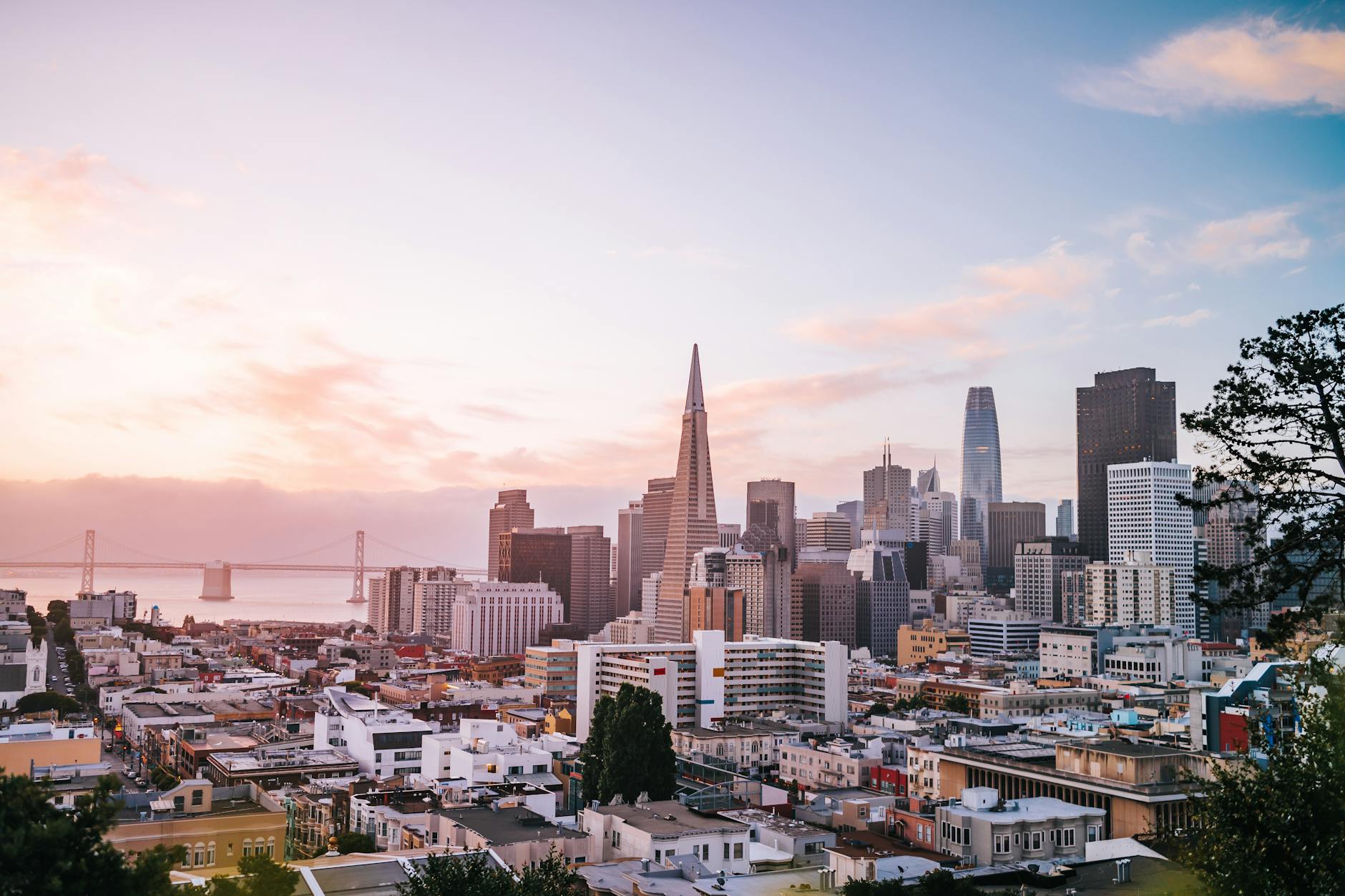
“The Streets of San Francisco,” a beloved 1970s cop TV series that aired between September 16, 1972, and June 9, 1977, vividly showcased the Golden Gate City in its ’70s glory. At the time, the United States grappled with the end of the 1960s counterculture movement, the flourishing sexual revolution, and the impending zenith of the disco era, all with San Francisco at the epicenter.
The city’s liberal leanings found a catalyst in the passage of the Civil Rights Act in 1964, setting the stage for the late ’60s influx of “hippies.” Gathering in Golden Gate Park and the thriving Haight-Ashbury neighborhood, they fostered a community rooted in countercultural ideals, music, and experimentation—a movement that rippled across the nation. Many of these ’60s counterculture pioneers stayed, evolving into environmentalists or advocates for women’s rights. Before this, in the 1950s, the Bay Area attracted Beat Generation poets like Allen Ginsburg, adding another layer to the city’s rich cultural fabric.
By the 1970s, San Francisco stood as a cultural trendsetter and global hub, a spirit vividly captured by “The Streets of San Francisco.” The series serves as a time capsule, authentically depicting this transformative period.
The show’s protagonists, portrayed by the charismatic Karl Malden and the young, charming Michael Douglas, exemplify contrasting facets of the era. Stone (Karl Malden, 1912–2009) embodies the street-smart, paternal figure entrenched in establishment values, while Keller (Michael Douglas, born 1944) represents the freewheeling, progressive spirit of the ’70s.
Their crime-solving adventures traverse the city’s diverse landscape, bringing them face-to-face with a spectrum of characters—hippies, druggies, disco queens, and conservative businessmen. To ensure authenticity, both actors spent time shadowing San Francisco police officers, fostering a genuine connection that resonated on-screen.
The show’s success, nearly 50 years ago, stems not only from its standard cop-show format but from its unique peek into fringe and edgy lifestyles of the time. While the crime-solving structure might seem formulaic by today’s standards, its enduring appeal lies in the captivating portrayal of San Francisco in the ’70s.
San Francisco emerges as a prominent character in every episode, its liberal ethos and vibrant energy captivating audiences then and now. Despite the show’s adherence to the era’s norms, it remains a timeless tribute to San Francisco’s legacy.
“The Streets of San Francisco” stands as both a product of its time and a testament to the city’s cultural evolution. Each episode serves as a visual time capsule, preserving an era that has indelibly shaped the city’s identity. Its enduring legacy continues to draw audiences, inviting them to explore and appreciate San Francisco’s vibrant history and its impact on shaping today’s world.

 Lady World Press