

In today’s world, ensuring the safety of our children at schools is a top priority. Picture a typical school day: students engaged in learning, teachers at the front of the classroom, and the hallways calm and quiet. Suddenly, an armed individual with malicious intent approaches the school grounds. The threat is real, and the fear is palpable. Unfortunately, such tragic events have occurred far too many times in the U.S., where children have been killed at the mercy of a soulless gunman.
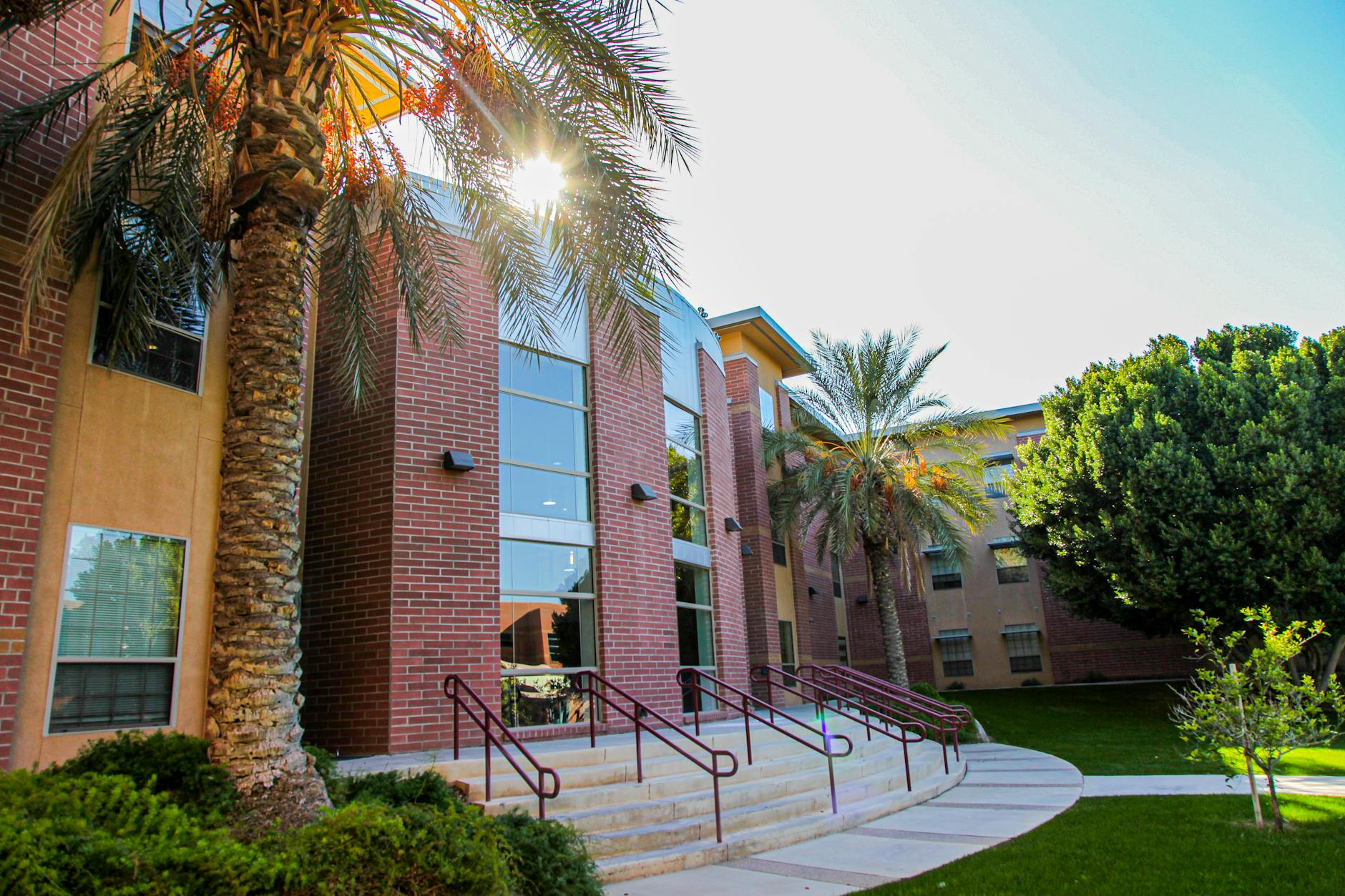
In a country where carrying a weapon is constitutionally protected and individuals of legal age can purchase firearms following background checks and regulatory procedures, finding a solution to this serious problem is no easy task. But what if there was a way to prevent such tragedies?
Imagine an invisible perimeter around the school, equipped with a detection system that can identify and respond to potential threats before they reach the front door.
Real-World Examples of BMR™ Technology in Action
In a series of internal videos I saw, Base Molecular Resonance™ (BMR) technology was shown detecting firearms. In one video, a 9MM handgun was detected on individuals walking by. During a blind test, one person handed the weapon to another without our knowledge, and the system still detected the transfer, demonstrating its accuracy and reliability even under dynamic conditions.
In another video, they simulated a real-world scenario where a vehicle carrying a firearm approached a secured perimeter. The detection system identified the explosive elements in the gunpowder of a 9MM handgun in the driver’s lap. Detection began at 25 seconds, direct detection occurred at 30 seconds, and the system confirmed the presence by 38 seconds. This real-time detection capability is crucial for securing vulnerable locations such as schools, military bases, and federal buildings.

How Does BMR™ Work?
BMR™ technology operates on the principle that every molecular structure emits a unique resonant frequency. Using a special transmitter and receiver, the device sends and receives frequencies specific to targeted materials. This allows for the instantaneous detection of any specified element, compound, or biological substance, even at extended distances.
Impacts and Broader Applications
Robert “Bo” Short, CEO and Co-Founder of BMRT, explains, “This discovery will have a dramatic impact on mankind, with the potential to save millions of lives, billions of dollars, and prevent untold pain and suffering.”
While the potential to prevent school shootings is compelling, BMR’s applications extend far beyond education. The technology can be used in medical diagnostics, law enforcement, public safety, and military services. In medicine, BMR™ has the potential to detect cancerous cells at extremely low levels, long before clinical signs appear, significantly improving patient outcomes. For law enforcement and the military, BMR™ can identify substances like gunpowder or explosives from considerable distances, enhancing safety and operational efficiency.
Support and Development of BMR™
BMR™ has gained support from prominent individuals and organizations, including former officials from the U.S. Marshals Service, the Presidential Protective Detail, and the Boston Police Department, as well as executives from Lockheed Martin, Batelle, Matrix Ventures, and CSL Behring. These endorsements highlight the technology’s potential and readiness for real-world application.
The story behind BMR™ is one of innovation. Derek Duke, a former Air Force colonel, embarked on a mission to find the “Tybee bomb,” a lost bomb from 1958, which led him to a meeting with the technology’s inventor. This encounter sparked a decade-long dedication to developing the technology, culminating in the formation of BMRT. Today, the company is led by Duke’s son, Lee, who continues his father’s legacy of innovation and commitment to making the world a safer place.
Future Prospects of BMR™
BMRT is negotiating agreements in the medical, security, and military sectors, with plans to launch the technology within the next two years. The medical application, requiring FDA approval, will be the last to launch. However, NewsBreak was told that the non-invasive and harmless nature of BMR™ positions it well for swift approval.
If BMR™ can prevent just one school shooting, detect one case of cancer early, or neutralize one potential threat, its impact will be profound.
As Bo Short states, “We imagine a world where our efforts allow people to watch their children grow up and embrace the joy of their own grandchildren, all because this technology prevented a potential threat at a school or the battlefield or even a life-threatening cancer diagnosis. What an incredible impact this can have on humanity! This vision fuels our drive, keeping us up at night. Every day that our solution isn’t available is a day where potential harm persists, harm that we know we can help prevent. We will not rest until the job is complete.”

 Lady World Press