
There I was, staring at a video clip on an Instagram post of a well-known model at a Vogue party in Paris. As I kept staring, I was a bit mesmerised, then a bit sick.
The woman started to look ridiculous, pointless. Shaking her body in her tiny dress for all of us to admire, like and engage. The comments were the usual Instagram comments, pretty false and not genuine: “Gorgeous!”, “Inspiring!”, “Love you hun!”, “What a cutie”, “Sweetie” and the sort.
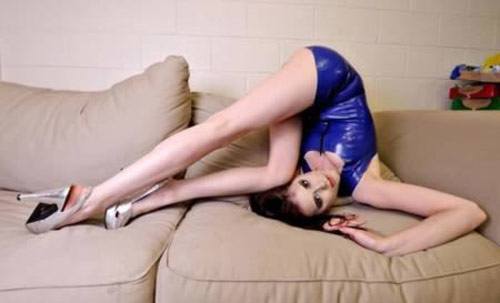
Was I having an existential crisis? It could well have been a parody and some harmless fun, but the post she wrote to accompany her video was very self-entitled and quite arrogant. The Queen of England? No way. Her Majesty is way more modest.
The video had thousands of views and I contributed to more views. But it didn’t improve my day. It didn’t make it better, it didn’t inspire me. It made me feel stupid for wasting valuable minutes of my day when I could have been staring somewhere else. Even if it was just the cat and his playful ways or the foxes entering my garden.
Models: beautiful women by the grace of good genes. Some make a lot of money and are pretty successful in their careers as catwalk queens. They usually have millions of followers on Instagram and we get a sneak peek into their beautiful and sunny lives.
But that’s about it, really.
Being beautiful or successful in the modelling industry doesn’t automatically make someone a role model. And yet models are everywhere. Their faces, bodies, clothes, holidays and lifestyles are constantly presented to us as something to admire.
Women have advanced and progressed to make a business out of their brains as well as their bodies. The 90s are long gone. It’s 2018, but the media, for all its advances in the last few years, hasn’t taken much notice.
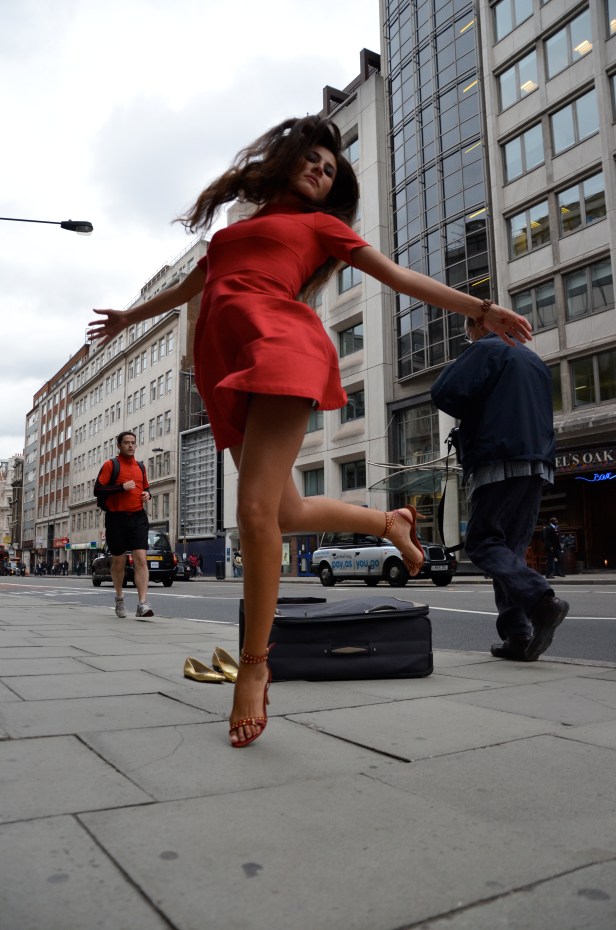
Beauty is in the eye of the beholder. The fashion and modelling industries have traditionally been one-sided, one-dimensional and not particularly inclusive or diverse. Things were changing, but sometimes the lack of genuine diversity could still feel painfully tokenistic.
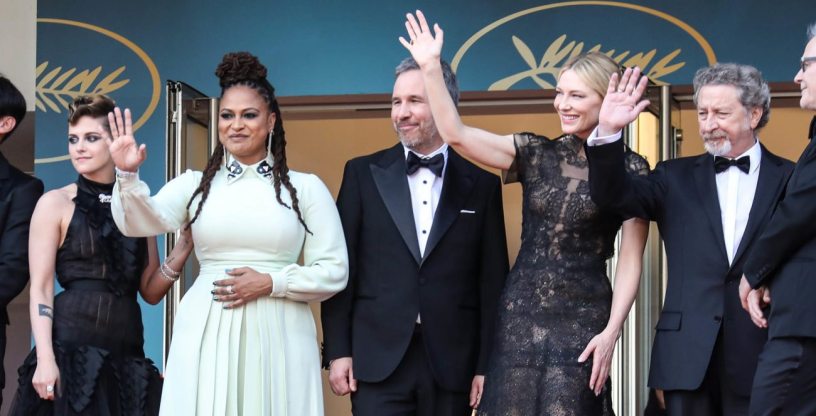
Take the Cannes Film Festival that year. It used to be the playground of A-list actresses, lesser-known actresses, directors and people who gave everything to the art of filmmaking. Cannes 2018 and the parade of models walking down the red carpet felt a bit tacky to me.
Models who were paid to travel to Cannes on an all-expenses-paid trip to wear a dress and jewels by so and so.
What’s next? Influencers taking over the most classy red carpet in the world? No please.
Thankfully, that year we also had Penélope Cruz, Cate Blanchett, Jane Fonda and many more women who do make films and who do deserve their place at Cannes.
Cannes is not the Met Ball.

Models are not role models simply because they are famous. And neither should anyone become a role model simply because they have millions of followers.
There are models who have built successful careers, businesses and lives outside fashion, and good for them. But the media doesn’t have to turn every beautiful woman with a huge following into somebody we are expected to admire, listen to or emulate.
There is also the question of nepotism in fashion. Some of the biggest names come from famous families or already have connections within the industry. Others work incredibly hard and build careers from scratch. The point is not that every model has had an easy ride. The point is that being tall, beautiful or famous is not the same thing as having something meaningful to say.
Time is up to give more media space to the women who are changing this world through their dedication, their craft, their intelligence and their knowledge.
Women who are scientists, filmmakers, writers, entrepreneurs, artists, doctors, teachers, activists and so much more.
As for models, yes, they can do their Instagram posts and their photoshoots and make millions from them. Good for them. But we don’t need to know about every detail of their lives.
Models are not role models.
And there is another problem with the fashion industry that concerns all of us women: ageism.
Unless you are very young, the industry has historically been remarkably quick to decide that you are no longer relevant. A woman can be talented, successful, interesting and beautiful, and yet somehow her age becomes the first thing people see.
Ageism is the enemy of all of us.
Perhaps it’s time we stopped telling women what they should look like, what they should wear and whose lives they should admire — and started paying a little more attention to what they actually do.


The nepotism is rife . The most famous ones at the moment are all daughters of very famous ex models or actresses or people who are already connected. Good points. I guess we need more inspiring role models than people who just walk down a catwalk
LikeLike
After being exposed quite extensively to the fashion industry I can concur with much of this article. I have also given it deep thought and often strived to find meaning in people I was surrounded by at the fashion shows, magazine parties, on social media, but it was all pretty much the same thing – influencers selling me a product or brand I had no interest in, and models taking selfie after selfie after selfie ad infinitum. I did find some rare exceptions however in models who had other careers, and were highly educated.
How about Cara Delevigne and her recent switch from modelling to acting, and authoring her own novel? And Adwoa Aboah with her Gurls Talk movement? There are also fashion campaigns that sought to highlight diversity and social issues around the world.
LikeLike