he literary world bids farewell to one of its brightest minds—Mario Vargas Llosa, who passed away in 2025 at the age of 89. A towering figure of the Latin American Boom, Nobel laureate, political thinker, and passionate defender of democratic ideals, Vargas Llosa leaves behind a legacy of novels, essays, and cultural commentary that reshaped the landscape of Spanish-language literature—and beyond.
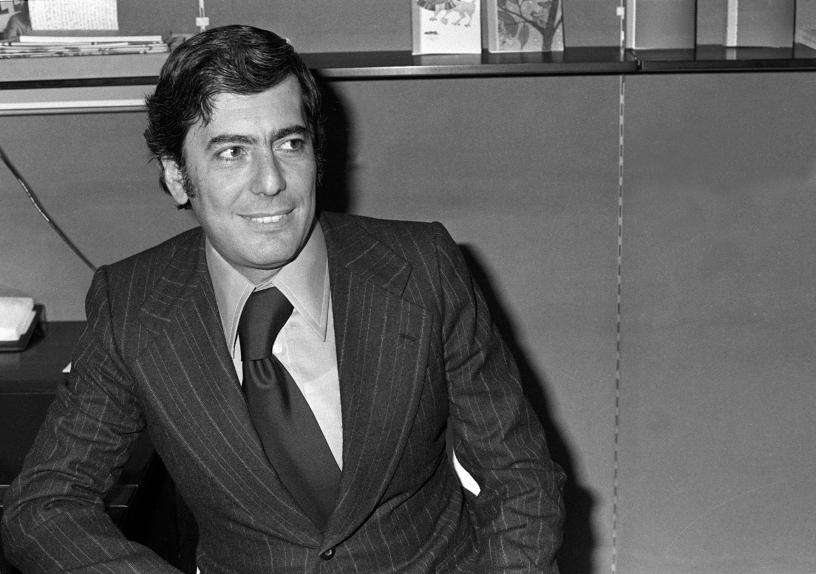
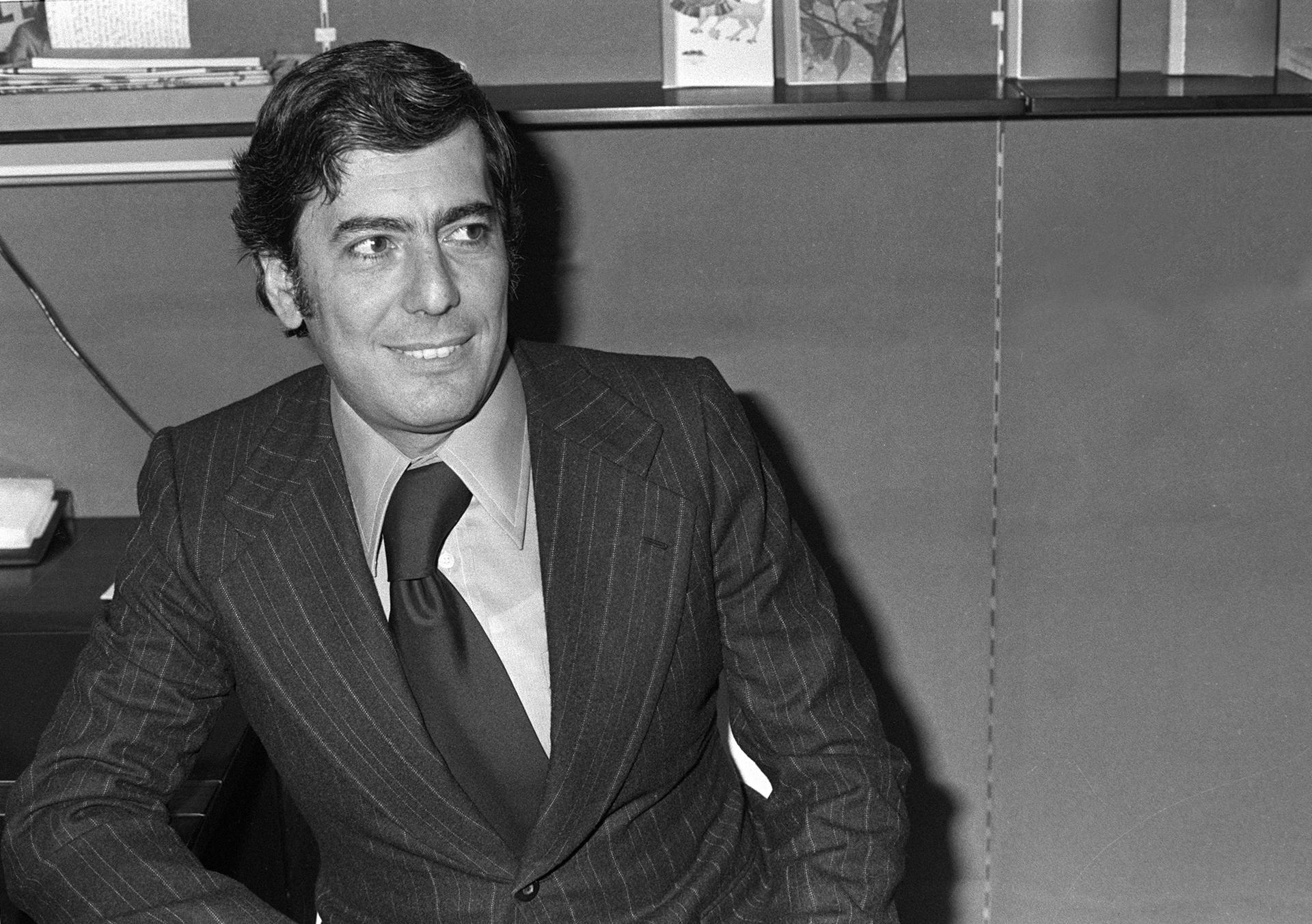
Fotografía de archivo, tomada en junio de 1977, del escritor peruano Mario Vargas Llosa, en Madrid (España). EFE
For me, the journey began with La tía Julia y el escribidor(Aunt Julia and the Scriptwriter) published in 1977. I couldn’t put it down. It was clever, funny, intensely human, and utterly captivating. That book opened the door to a world filled with language, complexity, and insight—and to a writer who, for me and so many others, became a lifelong guide through the art of storytelling. The novel was deeply influenced by his personal life. It features a young man who falls in love with his aunt, a woman 14 years older than him, echoing the real-life romance Vargas Llosa had with his Aunt Julia, who was indeed older than him. However, in reality, he later married his cousin Patricia Llosa, who was 19 at the time, when he was 29. They went on to build a life together with a large family.
Vargas Llosa often spoke about how La tía Julia y el escribidor helped him process the complexities of his relationships and emotions, blending humor with profound emotional depth. The novel explores themes of love, family, and the challenges of reconciling societal norms with personal desires.
A Prodigious Start
Mario Vargas Llosa was born on March 28, 1936, in Arequipa, Peru, but it was in Cochabamba, Bolivia, during his early childhood, that he first learned to read and write. He would later say that the single most important and transformative experience of his life was learning to read at the age of five.
“Aprender a leer ha sido lo más importante que me ha pasado en la vida.” —Mario Vargas Llosa “Learning to read has been the most important thing that has ever happened to me.”
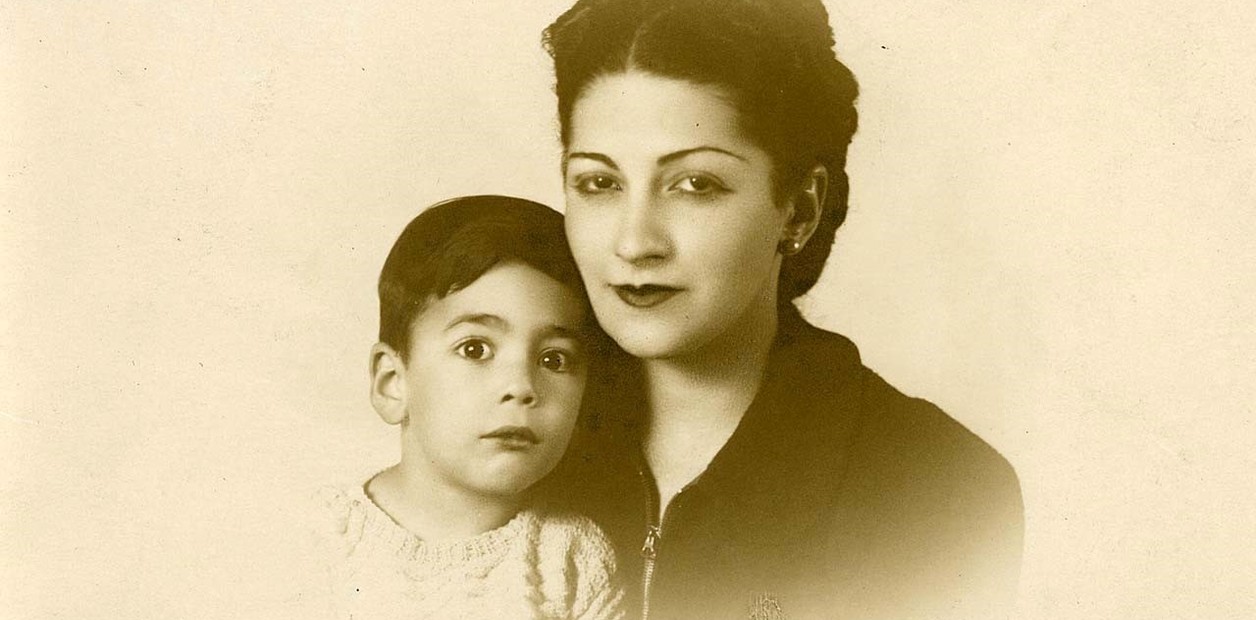
Mario Vargas Llosa and his mother. Courtesy of MVLL IMAGE 1/4
That early passion was no passing phase. His genius showed from an early age—how many five-year-olds are self-motivated bookworms who need no urging from their parents? That innate curiosity and hunger for words never left him. Even if he had died young—say, at 33—he would still be remembered as a literary force. He was that prolific, that gifted.
A Literary and Intellectual Powerhouse
Vargas Llosa’s debut novel, La ciudad y los perros (The Time of the Hero), published in 1963, shook the Latin American literary world. Set in a brutal Peruvian military academy, the book was so controversial that it was publicly burned by the school it depicted. His 1969 novel Conversación en la catedral (Conversation in the Cathedral) further cemented his status as a master of complex narrative and political depth.
Over the decades, he continued to craft works of immense scope and ambition: The War of the End of the World, The Feast of the Goat, The Bad Girl, and dozens more. He was awarded the Nobel Prize in Literature in 2010, recognized “for his cartography of structures of power and his trenchant images of the individual’s resistance, revolt, and defeat.”
An Era Ends
In my childhood home, Mario Vargas Llosa’s books sat proudly on the shelves beside those of Gabriel García Márquez and Julio Cortázar. My father, like so many readers of his generation, admired not only the stories but the minds behind them. These writers weren’t just literary figures—they were cultural icons and intellectual influencers before the term even existed. And yes, Vargas Llosa and García Márquez famously fell out—reportedly over a woman—but even that tension only seemed to underscore how powerful, passionate, and human these literary legends were.
For those of us with Spanish as our mother tongue, Vargas Llosa’s impact on the language cannot be overstated. He was not only a literary giant but also a linguistic innovator who helped shape the contemporary Spanish narrative.
In 2023, Vargas Llosa became the first Spanish-speaking writer to be inducted into the prestigious French Academy (Académie Française). This achievement underscored his global influence, marking a historical moment for Spanish-language authors and reflecting his stature as a literary figure recognized beyond the Spanish-speaking world.
With Vargas Llosa’s passing, we say goodbye to the last living pillar of that extraordinary generation of Latin American authors. They didn’t just entertain. They challenged regimes, shaped public thought, and held up mirrors to society. They influenced the world not through virality, but through brilliance.
Mario Vargas Llosa had that brilliance in abundance. And now, we are left with his words—eternal, brave, and alive with the energy of a five-year-old boy in Cochabamba who once discovered the magic of reading and never let it go.
He died peacefully in Lima, surrounded by his beloved family and friends.


 Lady World Press
Thank you for this article. He deserves all the homages he is getting. RIP
LikeLike