
Rebel Royals: An Unlikely Love Story
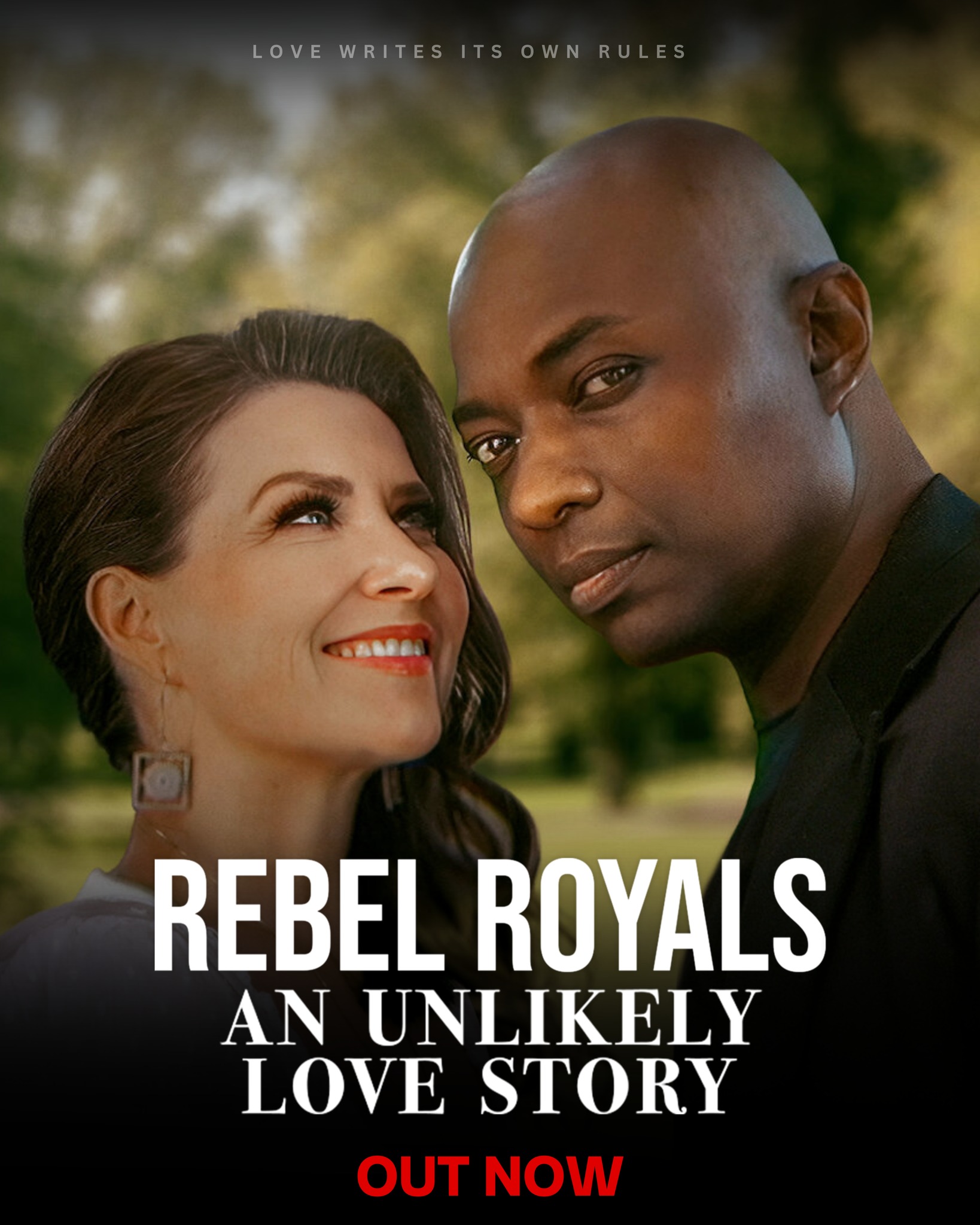
Netflix bills Rebel Royals as a sweeping romance, but what you really see is a man straining for royal status. Durek Verrett, the self-styled shaman who married Norway’s Princess Märtha Louise, comes across less as a spiritual guide and more as a wannabe royal desperate for pomp. Trouble is, instead of a cathedral soaked in centuries of ritual, their “fairy tale” ends up staged in something that looks like a wedding marquee from a garden hire company. My visit to the Royal Mews during the summer felt more glam! Alas. The documentary tries to cast this as eccentric glamour, but the effect is more plastic than regal.
To its credit, the film shows how well-matched they are in their eccentricities. Märtha Louise was holding angel workshops long before Durek entered the picture, so the talk of soul mates and past lives doesn’t come out of nowhere. But when it comes to the tough questions — his Covid medallions, sexual misconduct allegations, or even what his shamanism actually involves — the documentary just glances away. Instead we get soundbites, strutting, and jackets emblazoned with “spiritual hustler.” The result feels shallow, more reality-TV audition than serious portrait of love against the odds.
AKA Charlie Sheen
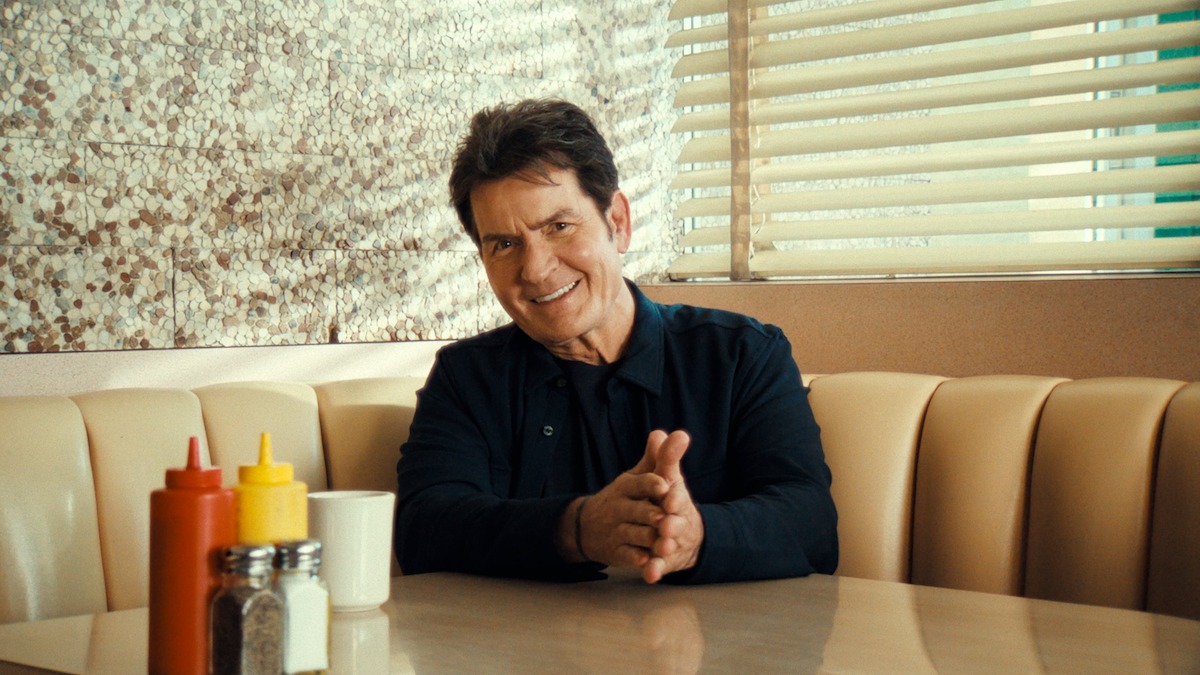
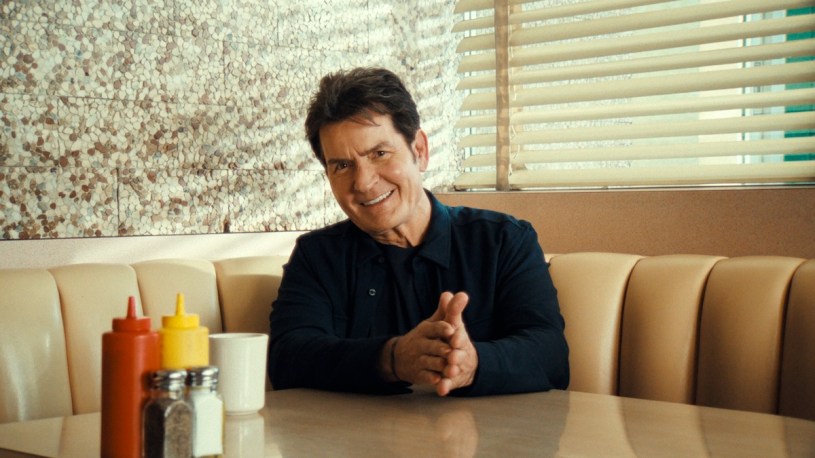
Where Rebel Royals shows us a man clawing his way toward royalty, AKA Charlie Sheen revisits someone who had everything and blew it spectacularly. Maybe it’s the Galician blood in me, and the fact that he looks a lot like a friend of mine from Santiago de Compostela, but I found myself oddly sympathetic. Sheen’s grandfather sailed from Pontevedra to America when there was nothing in Galicia but poverty, chasing a better life, only for his grandson to drop the Estevez name and nearly destroy himself with drugs and booze. The documentary gives Sheen space to charm — and he’s still disarmingly charismatic at 60 — but it lets him off the hook too easily. The wreckage left behind by his addictions is treated like background noise.
And yet, the miracle is that he’s still here. After decades of crack, pills, and chaos, Sheen sits before the camera sharp, funny, and with a ridiculous head of hair, as if his body never got the memo. He packages his life into three acts — “Partying,” “Partying with Problems,” and “Just Problems” — which is a neat bit of branding. The film tiptoes past the worst of it, preferring to let his smile carry the narrative. Maybe that’s survival; maybe it’s denial. Either way, you leave wondering whether Sheen has truly escaped the cycle or just paused long enough to fool us — and maybe himself. One thing is for sure: if his Galician granddad were alive, he’d have smacked that kid at 20 when the addictions began. Maybe he would’ve shared a few glasses of wine with him, as elderly Galicians do, but always with the aim of guiding him back on track — just as his father Martin Sheen (legally Estevez, boys, don’t forget your grandad and his epic journey to the U.S. from Vigo) kept trying to do, even when Charlie was 45 and still dragging himself into rehab.
These two Netflix portraits show two men chasing larger-than-life roles. One wanted to be royal so badly he ended up in a plastic tent; the other already lived like a “Hollywood king” and nearly partied himself into the grave. Taken together, they show how messy, fragile, and strangely resilient our appetite for myth-making can be.

 Lady World Press
I enjoyed the Charlie Sheen doc . Not interested in royalty at all so will
pass on Rebel Royal
LikeLiked by 1 person
He is quite the character and very lucky to still be alive!
LikeLike